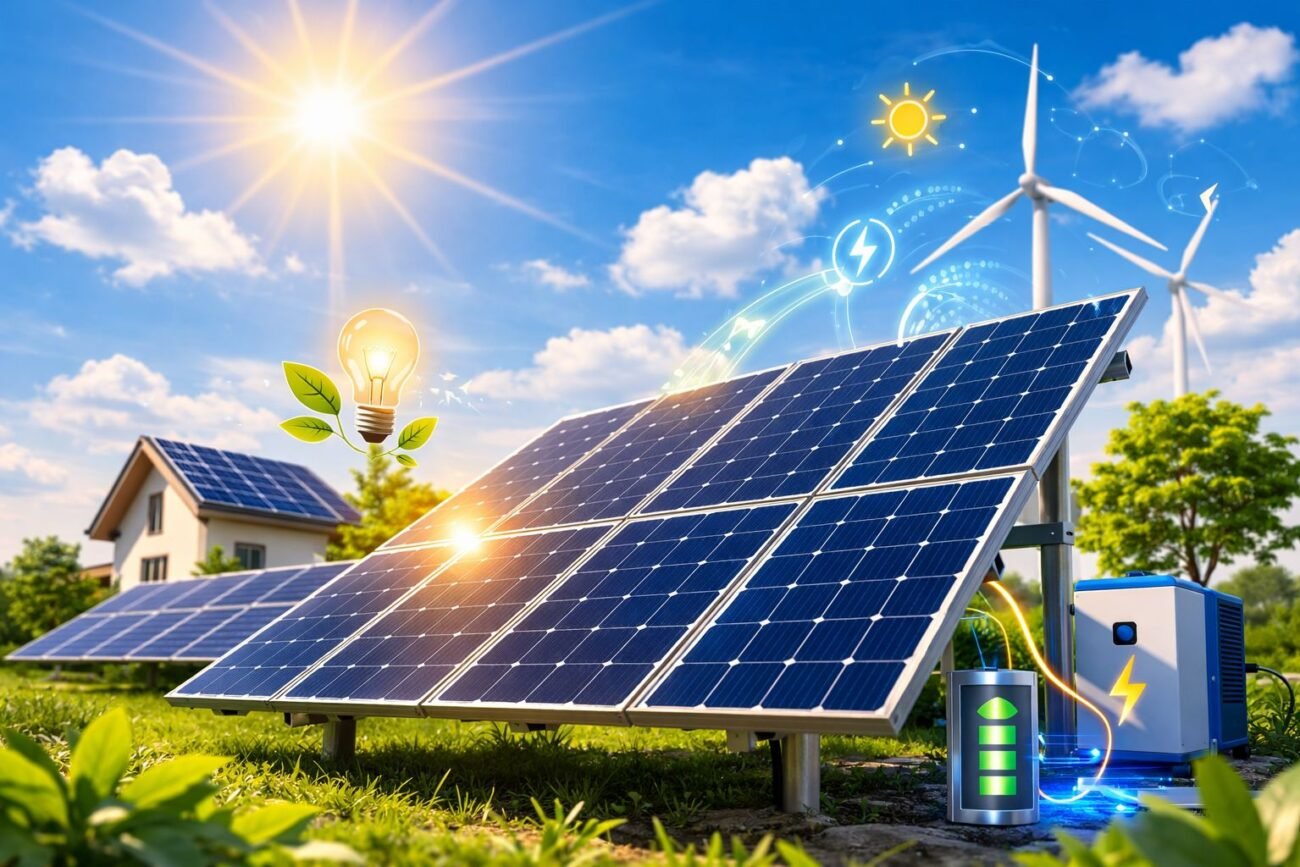
Energy is needed in our daily lives for lighting, cooking, heating, and running machines. For many years, people have used fossil fuels such as coal, oil, and gas to produce electricity. However, these energy sources can harm the environment and cause pollution. Because of this, many countries are now looking for cleaner and safer energy sources. One of the best renewable energy sources is solar energy. Solar energy comes from the sun and can be turned into electricity using solar panels. Solar power is clean, renewable, and available in many parts of the world. The solar panels TEAS passage is often used in reading exercises to explain how solar panels work and why they are important for the environment. Understanding solar energy helps readers learn about renewable energy and how it can improve our future. This article explains solar panels in simple terms, including how they work, their types, benefits, challenges, and uses.
What Are Solar Panels?
Solar panels are devices that capture sunlight and turn it into electricity. They are made of small units called photovoltaic cells, also known as solar cells. When sunlight hits these cells, it creates electricity that can be used in homes, businesses, and farms.
Solar panels are commonly used in many places such as:
-
Houses
-
Schools
-
Factories
-
Farms
-
Solar power stations
Solar panels help produce electricity without burning fuel or creating pollution.
Main Parts of a Solar Power System
A solar power system has several important parts that work together.
| Part | Purpose |
|---|---|
| Solar Panels | Capture sunlight and create electricity |
| Solar Cells | Small units that produce electric current |
| Inverter | Changes electricity into usable form |
| Mounting Structure | Holds the panels in place |
| Battery (optional) | Stores extra electricity |
Each part helps the system produce and use electricity effectively.
How Solar Panels Work
Solar panels work through a process called the photovoltaic effect. This means sunlight is changed into electricity.
Steps in Solar Energy Production
-
Sunlight falls on the solar panels.
-
Solar cells absorb the sunlight.
-
The cells produce direct current (DC) electricity.
-
An inverter changes DC electricity into alternating current (AC) electricity.
-
The electricity is used to power lights, appliances, and machines.
This process happens silently and does not produce harmful gases.
Types of Solar Panels
There are different kinds of solar panels. Each type has different features and efficiency levels.
| Solar Panel Type | Efficiency | Cost | Features |
|---|---|---|---|
| Monocrystalline | High | Expensive | Long life and strong performance |
| Polycrystalline | Medium | Affordable | Commonly used in homes |
| Thin-Film | Lower | Moderate | Flexible and lightweight |
Monocrystalline Solar Panels
These panels are made from a single crystal of silicon.
Advantages
-
Very efficient
-
Long lifespan
-
Works well in low sunlight
Disadvantages
-
Higher price
Polycrystalline Solar Panels
These panels are made from many small silicon pieces melted together.
Advantages
-
Lower cost
-
Reliable performance
Disadvantages
-
Slightly less efficient
Thin-Film Solar Panels
Thin-film panels are lighter and flexible.
Advantages
-
Easy to install
-
Flexible design
Disadvantages
-
Lower efficiency than other types
Read also: Milwaukee M12SI-0 12V Li-Ion Cordless Soldering Iron
Benefits of Solar Energy
Solar energy has many advantages for people and the environment.
Environmental Benefits
Solar energy helps reduce pollution and protect nature.
Main environmental benefits include:
-
Reduces carbon emissions
-
Produces clean energy
-
Helps slow climate change
-
Protects natural resources
Economic Benefits
Solar panels can help people save money on electricity.
Financial benefits include:
-
Lower electricity bills
-
Low maintenance cost
-
Long-lasting systems
-
Possible income from selling extra electricity
Energy Independence
Solar panels allow people to produce their own electricity.
Benefits include:
-
Less dependence on power companies
-
Reliable electricity supply
-
Useful in remote areas without electricity
Challenges of Solar Panels
Even though solar energy is useful, it also has some challenges.
| Challenge | Explanation |
|---|---|
| High Installation Cost | Solar systems can be expensive at first |
| Weather Dependence | Less electricity on cloudy or rainy days |
| Energy Storage | Batteries can increase system cost |
| Space Needs | Large systems require enough space |
These challenges are improving as technology develops.
Uses of Solar Panels
Solar panels are used in many different fields.
Residential Use
Many homeowners install solar panels on their rooftops.
Common home uses include:
-
Lighting
-
Running household appliances
-
Heating water
-
Charging electric vehicles
Commercial and Industrial Use
Businesses use solar panels to reduce energy costs.
Examples include:
-
Factories
-
Office buildings
-
Shopping centers
-
Warehouses
Agricultural Use
Farmers also use solar power to support farming activities.
Examples include:
-
Solar-powered irrigation systems
-
Power for farm equipment
-
Solar panels installed above crops
This method allows land to produce food and energy at the same time.
Key Ideas in a Solar Panels TEAS Passage
In reading passages about solar panels, readers are usually asked to understand important ideas.
Common Reading Questions
| Question Type | Meaning |
|---|---|
| Main Idea | The most important point of the passage |
| Supporting Details | Facts that explain the main idea |
| Vocabulary | Understanding new words |
| Inference | Reading between the lines |
| Data Interpretation | Understanding numbers or charts |
Learning these concepts helps readers understand the passage better.
Future of Solar Energy
Solar energy is growing quickly around the world. Scientists and engineers are improving solar technology every year.
Future Developments in Solar Power
-
More efficient solar panels
-
Better battery storage systems
-
Smart energy systems
-
Solar windows and buildings
-
Floating solar power plants
Growth of Solar Energy
| Year | Development |
|---|---|
| 2010 | Early solar adoption |
| 2015 | Rapid growth of solar installations |
| 2020 | Large solar farms developed |
| Future | Solar energy becomes more common worldwide |
These improvements will make solar energy more affordable and accessible.
Conclusion
Solar panels are an important technology for producing clean and renewable energy. They allow people to turn sunlight into electricity without harming the environment. Solar energy helps reduce pollution, lower electricity costs, and provide reliable power. As technology continues to improve, solar panels will become even more common in homes, businesses, and farms. The solar panels TEAS passage helps readers understand the basics of solar energy and why it is important for the future. By learning about renewable energy, people can make better choices that support a cleaner and more sustainable world.
