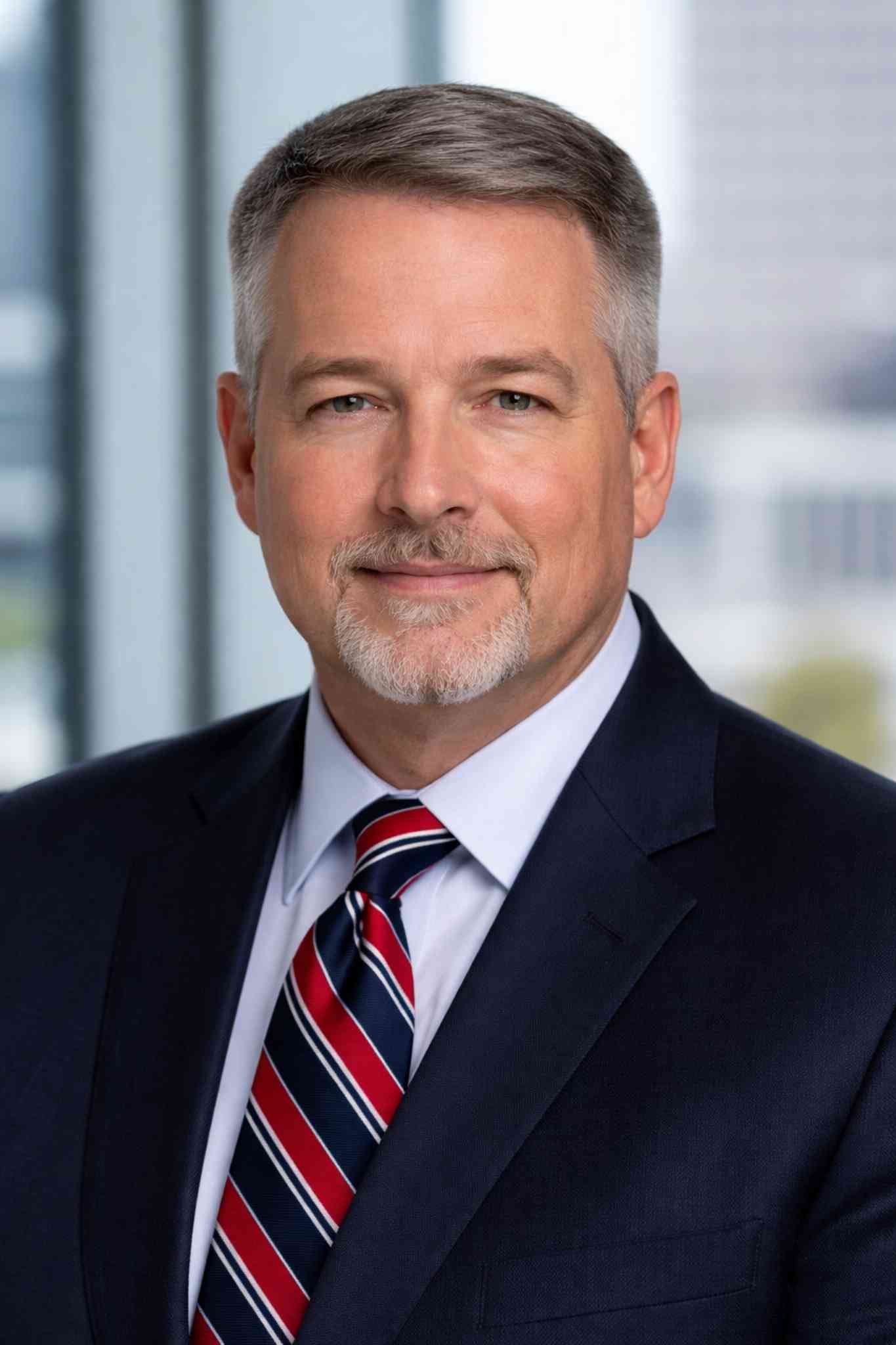
Claude Edward Elkins Jr., also known as Ed Elkins, is a senior leader at Norfolk Southern Corporation, one of the largest freight railroad companies in the United States. His career story is about steady growth, hard work, and learning a business from the ground level before leading it at the top. Unlike many executives who start their careers in offices, Elkins began his journey doing hands-on railroad work. Over time, he moved into business and leadership roles, eventually becoming one of the top leaders in the company.
This article explains his background, career path, leadership style, and why his journey is important, using simple language, lists, and tables for easy reading.
1. Quick Overview
| Item | Information |
|---|---|
| Full Name | Claude Edward Elkins Jr. |
| Known As | Ed Elkins |
| Industry | Railroad and transportation |
| Company | Norfolk Southern Corporation |
| Current Role | Executive Vice President & Chief Commercial Officer |
| Joined Company | 1988 |
| Background | Military service and railroad operations |
2. Early Life and Military Service
Before working in the railroad industry, Claude Edward Elkins Jr. served in the United States Marine Corps. Military service helped shape his character and work habits.
Skills he learned in the military:
-
Discipline and respect for rules
-
Teamwork and helping others
-
Responsibility for tasks and people
-
Staying calm in difficult situations
These skills later helped him handle leadership roles in a large company where safety, teamwork, and clear rules are very important.
3. Starting Work at Norfolk Southern
Elkins joined Norfolk Southern in 1988 in an entry-level job. He did not start as a manager. He began by working directly on the railroad.
Jobs he worked in:
-
Road Brakeman
-
Conductor
-
Locomotive Engineer
-
Relief Yardmaster
These jobs helped him understand how trains run and how railroad teams work together every day.
What he learned from these jobs:
| Job | What He Learned | Why It Matters Later |
|---|---|---|
| Brakeman | Safety and teamwork | Helps protect workers |
| Conductor | Organizing train work | Helps with planning |
| Engineer | Train control and care | Builds technical knowledge |
| Yardmaster | Managing crews | Builds people skills |
Because he worked in these roles, he understands the daily challenges faced by workers on the ground. This helped him become a leader who respects and listens to employees.
Read also: Anne Steves
4. Moving Into Business and Marketing Roles
After learning how railroad operations work, Elkins moved into business and marketing jobs. This changed his focus from only running trains to helping the company grow and serve customers better.
Areas he worked in:
-
Intermodal transportation (moving goods by train and truck)
-
Sales and customer service
-
Business planning
-
Market growth
Key career steps:
| Year | Job Title | Main Focus |
|---|---|---|
| 2016 | Group Vice President | Chemicals business |
| 2018 | Vice President | Industrial products |
| 2021 | Executive Vice President & Chief Commercial Officer | Overall business strategy |
These roles helped him learn how to:
-
Work with customers
-
Plan long-term business goals
-
Balance safety with business growth
5. Current Role and Main Duties
Today, Elkins is the Executive Vice President and Chief Commercial Officer at Norfolk Southern. This means he helps guide the company’s business plans and customer strategy.
Business areas he leads:
-
Intermodal services
-
Automotive transport
-
Industrial products
-
Real estate and development
-
Sales teams
-
Customer logistics
Main duties:
-
Set business goals
-
Support customer relationships
-
Work with operations teams
-
Help the company grow in a steady and safe way
His role is about making sure the company serves customers well while also keeping operations safe and reliable.
6. Education
Elkins also built his career with formal education.
Education background:
| Degree | School | Field |
|---|---|---|
| Bachelor’s | University of Virginia’s College at Wise | English |
| MBA | Old Dominion University | Business and transportation studies |
Why his education is helpful:
-
His English degree helps with clear communication and leadership
-
His MBA helps with business planning and decision-making
Together, education and work experience helped him become a balanced leader.
7. Work Outside the Company
Elkins also takes part in business and industry groups outside his company.
Types of groups he works with:
-
Business chambers
-
Industry and trade groups
-
Education and leadership groups
Benefits of this work:
-
Learning from leaders in other industries
-
Understanding changes in the economy
-
Helping improve transportation and business practices
-
Supporting community and economic growth
This outside involvement helps him bring fresh ideas back to his company.
8. His Leadership Style
Elkins is known for a leadership style based on real experience and steady growth.
Key points of his leadership style:
-
He respects frontline workers
-
He values safety and teamwork
-
He thinks about long-term success
-
He focuses on customer needs
-
He connects business goals with real operations
Leadership strengths:
| Strength | How It Helps |
|---|---|
| Real work experience | Builds trust with workers |
| Long time in one company | Strong knowledge of the business |
| Customer focus | Better service and planning |
| Balanced leadership | Mix of safety and growth |
Because he understands both daily operations and big-picture business planning, he can make better decisions for the whole company.
9. Why His Career Path Matters
Elkins’ career shows that strong leaders can come from inside a company, not just from outside hires.
What his journey shows:
-
Learning from the ground up builds strong leaders
-
Long-term growth creates deep understanding
-
Hands-on experience builds trust
-
Steady progress can lead to top leadership roles
His story is an example for workers who want to grow their careers step by step.
10. Leading in a Changing Industry
The railroad industry is changing due to new technology and business needs.
Major changes in the industry:
-
New digital tools
-
Automation
-
Changes in supply chains
-
Environmental and safety goals
-
Higher customer expectations
How his experience helps handle change:
| Industry Change | How His Background Helps |
|---|---|
| New technology | Understands how changes affect workers |
| Supply chain issues | Knows how rail fits with trucks and ports |
| Safety and environment | Balances business needs with responsibility |
| Workforce changes | Respects frontline workers |
His long experience helps the company adapt to change without losing focus on safety and people.
Conclusion
Claude Edward Elkins Jr.’s career shows how hard work, learning step by step, and respecting frontline workers can lead to strong leadership. From military service to rail yard work and finally to executive leadership, his journey is built on real experience and steady growth.
His story teaches an important lesson: leaders who understand how work is done on the ground are often better prepared to guide a company from the top. In a large and complex industry like rail transportation, this kind of leadership helps create trust, safety, and long-term success.
