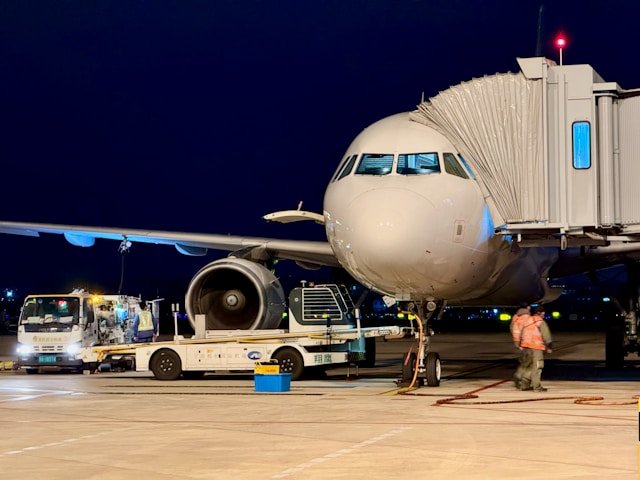
Aircraft inspections require efficiency, precision, and the right combination of specialized tools. Mechanics rely on equipment designed to detect subtle issues, verify system function, and maintain safety standards throughout the inspection process. As aircraft technology evolves, these tools become even more essential for ensuring compliance and supporting the reliability of vital components. Below is a detailed look at five tools that contribute to efficient aircraft inspections in modern aviation environments.
Borescopes for Internal Component Visibility
Borescopes are indispensable when mechanics need to inspect interior components without disassembling major sections of the aircraft. These tools provide high resolution imaging through small access points, allowing technicians to examine engine interiors, turbine blades, combustion chambers, and other normally hidden areas. Flexible and rigid models support a variety of inspection needs, while integrated lighting and video capabilities help document findings. By improving visibility and reducing the need for extensive teardown procedures, borescopes save time and help identify issues earlier in the inspection cycle. Their role is especially important during scheduled maintenance and troubleshooting tasks where rapid assessment is critical.
Torque Tools for Accurate Fastener Control
Accurate torque application helps preserve structural integrity and ensures components are secured to manufacturer specifications. Modern torque tools provide mechanics with precise control when tightening fasteners during inspection related adjustments or part replacements. Digital torque wrenches offer real time feedback, adjustable settings, and data recording for verification purposes. Calibrated tools are essential because incorrect torque levels can lead to premature wear, unstable connections, or component failure. By using reliable torque equipment, mechanics maintain consistency across inspections and support the overall airworthiness of the aircraft.
Gas Detection and Pressure Testing Equipment
Many aircraft systems rely on pressurized gases, requiring mechanics to confirm that lines, fittings, and valves are functioning correctly. Gas detection and pressure testing equipment helps identify leaks, verify system integrity, and ensure proper operating conditions. Whether assessing oxygen distribution, cabin pressurization components, or emergency system lines, pressure testers offer accurate readings that guide maintenance decisions. When inspecting an aviation oxygen cylinder, technicians rely on pressure gauges, leak detectors, and compatibility testing tools to confirm the cylinder meets regulatory standards. These tests help maintain safety and readiness for both routine operations and emergency situations.
Multimeters and Electrical Testing Devices
Electrical systems play a central role in aircraft performance, and mechanics depend on multimeters to evaluate wiring, voltage levels, continuity, and other electrical factors. Modern digital multimeters provide enhanced accuracy, improved safety features, and expanded measurement capabilities. These tools assist during inspections of avionics, lighting circuits, power distribution systems, and electrical fault troubleshooting. Additional testing devices, such as insulation resistance testers and current clamps, support more comprehensive evaluations. Electric system testing is essential to preventing malfunctions that may affect navigation, communication, or instrumentation reliability during flight.
Measuring Instruments for Structural Assessments
Precise measurements are essential during structural inspections, especially when verifying alignment, assessing wear limits, or checking component clearances. Tools such as calipers, depth gauges, pit gauges, and dial indicators help mechanics obtain accurate measurements on both external and internal surfaces. During corrosion inspections, measuring instruments allow technicians to determine material loss and compare readings against allowable thresholds. Laser measurement devices and digital alignment tools offer additional support for evaluating structural geometry and ensuring that mechanical components remain within their approved limits. These instruments help mechanics document findings and provide clear evidence for maintenance decisions.
Conclusion
Efficient aircraft inspections depend heavily on the utility of specialized mechanical tools. From borescopes that provide visibility inside enclosed components to multimeters that verify electrical system performance, each tool plays a vital role in maintaining safety and operational integrity. As aircraft technology continues to advance, mechanics benefit from improved equipment that enhances accuracy and reduces inspection time. With the right tools in hand, aviation maintenance teams can perform thorough, consistent inspections that uphold the highest standards of reliability.
