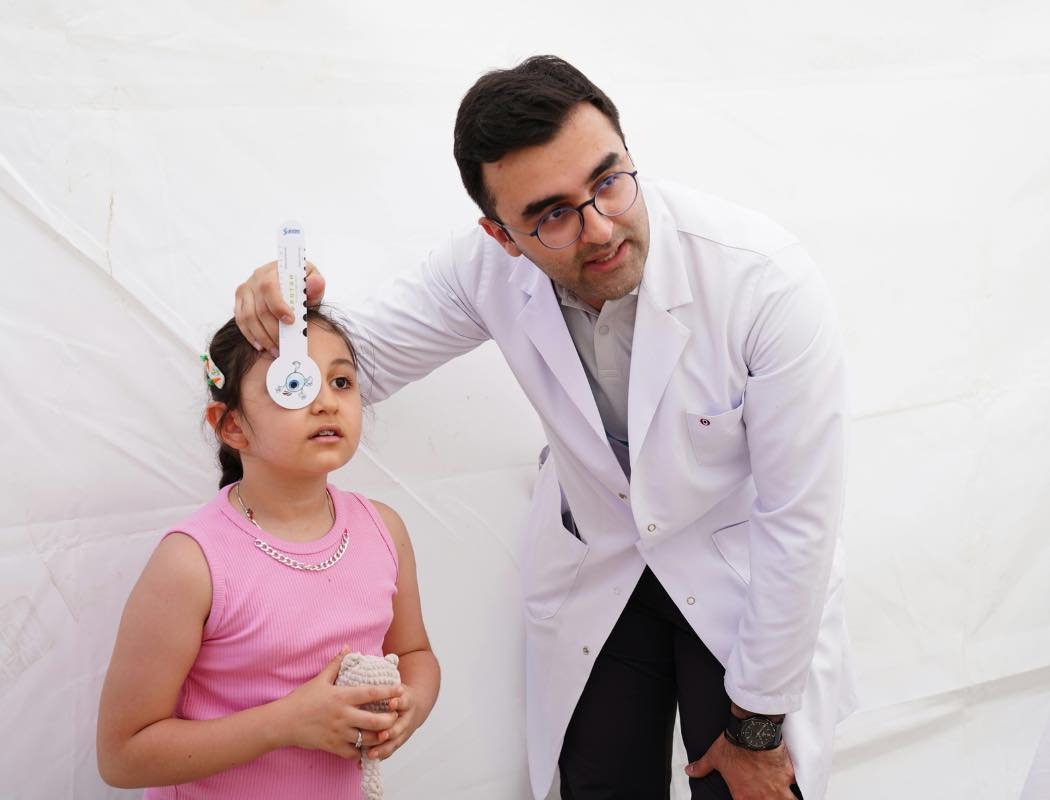
A lot of families skip regular eye exams until something seems wrong. That is understandable. Life gets busy, and if nobody is squinting or complaining about blurry vision, an eye exam can feel like a low priority.
But annual eye exams catch problems that do not always show obvious symptoms early on. For kids especially, vision problems can go unnoticed for years while quietly affecting how they learn, read, and interact with the world around them.
Vision Problems Are More Common Than You Think
About 1 in 4 children has a vision problem that affects their ability to learn in school. Many of those kids never complain because they do not know what normal vision is supposed to feel like. They assume everyone sees the same way they do.
Common childhood vision problems include nearsightedness (trouble seeing far away), farsightedness (trouble seeing up close), and astigmatism (blurry vision at all distances). All of these are very manageable with glasses or contact lenses, but only if they are caught.
Adults are not immune either. Conditions like glaucoma, diabetic eye disease, and macular degeneration can develop slowly and without pain. By the time you notice something is wrong, significant damage may already have happened.
What Happens During an Eye Exam
An eye exam is more than just a vision check. It looks at the health of your entire eye, not just how well you can read a chart on the wall.
Your eye doctor will check your eye pressure, which can indicate glaucoma risk. They will look at the retina and optic nerve for early signs of disease. They will check how your eyes work together and whether they focus correctly. For kids, they will also assess visual development and whether both eyes are contributing equally.
The whole exam typically takes about 30 to 45 minutes for a standard adult visit. Kids may take a bit longer depending on their age and how cooperative they are feeling that day. If you are ready to book for your family, Barnes Talero Eye Care makes it easy to schedule for all ages.
How Nashville Families Benefit From Annual Exams
Nashville families face a few specific reasons to stay on top of eye care.
Allergy season here is long and intense. As mentioned earlier, pollen counts in Nashville are high for much of the year. Allergies can cause chronic eye inflammation that, over time, may affect the surface of the eye. Staying in regular contact with your eye doctor means these changes get caught early.
Screen time is also a real concern for families in Nashville, just like everywhere else. Kids spend more hours than ever in front of screens for school and entertainment. That kind of near work puts a lot of strain on young eyes. Nearsightedness rates in children are climbing, and frequent eye exams help track these changes so prescriptions stay current and myopia progression can be managed.
Outdoor activities matter too. Nashville families spend a lot of time outside, from parks to the Cumberland River greenways to sports leagues. UV exposure adds up, and an eye doctor can assess any early signs of sun-related damage over time.
Eye Exams for Kids at Every Age
The American Optometric Association recommends that children have their first eye exam at 6 months of age. After that, exams are recommended at age 3, before starting school, and then every year through school age.
These early exams catch amblyopia (commonly called lazy eye) and strabismus (eye turn) when they are most treatable. Both conditions respond much better to treatment in young children than in older kids or adults. A study published in the journal Ophthalmology found that early screening and treatment for amblyopia significantly improves long-term visual outcomes in children.
If your child has already started school and has never had a comprehensive eye exam, getting one scheduled should be a priority. School vision screenings are helpful, but they are not a substitute for a full exam. They often miss conditions that a proper exam would catch.
Adult Eye Exams Matter Just as Much
Once people hit their mid-20s, it is easy to assume their vision is stable and exams can be skipped. But many serious eye diseases develop silently in adults and are only found during routine exams.
Glaucoma is one of the leading causes of blindness in the United States. It often has no symptoms in its early stages. The only way to catch it is through an exam that checks eye pressure and looks at the optic nerve.
Diabetes affects the eyes in ways that can lead to vision loss if not monitored. If you have diabetes or a family history of diabetic eye disease, annual exams are critical.
People over 40 should also watch for early signs of macular degeneration and cataracts. Both conditions are more manageable when caught early.
The Cost of Waiting
Skipping annual exams often ends up costing more in the long run. A vision problem caught at a routine exam is usually simple to treat. The same problem caught after years of delay may require more intensive treatment and may have already caused permanent damage.
For children, uncorrected vision problems can affect academic performance, social development, and confidence. Kids who struggle to see the board or read clearly often get labeled as slow learners when all they really need is a pair of glasses.
For adults, conditions like glaucoma can cause irreversible vision loss. That loss cannot be undone once it happens. Staying current with exams keeps your risk low.
Making Annual Eye Exams a Family Habit
The simplest way to make sure everyone in your family gets seen is to treat eye exams like any other annual health visit. Schedule them at the same time each year, around a birthday or the start of the school year. That way they do not get forgotten.
Many insurance plans cover routine eye exams, so check your benefits before assuming it is out of pocket. Even without insurance, the cost of an exam is small compared to the cost of treating preventable vision loss.
The team at Barnes Talero Eye Care works with Nashville families of all ages, from infants to seniors. Whether your child needs their first exam or you are due for an adult checkup, scheduling one appointment is all it takes to get your family’s eye health on track.
Do not wait until something feels wrong. By the time symptoms show up, the problem may already be advanced. A yearly visit keeps you ahead of any issues and gives your whole family a clear picture of their eye health, year after year.
